About this tour
Northwest Yunnan packs more variety into one week than almost anywhere in China: an 800-year-old old town, a 5,596-metre snow mountain, one of the world's deepest gorges, Tibetan monasteries on the plateau and a lake shared with the Mosuo people.
This is a small-group departure, not a coach tour. Two to six travellers travel together in a private vehicle with a driver who is also your guide, staying in four-diamond hotels — four nights in Lijiang, one in Shangri-La and one in a lake-view room at Lugu Lake. There are no shopping stops and no set-menu group dinners: meals are left open, and your guide recommends and books tables where the locals actually eat.
The loop runs Lijiang → Jade Dragon Snow Mountain → Tiger Leaping Gorge → Shangri-La → Lugu Lake → Lijiang, roughly 1,050–1,150 km of road across the week. Days 3, 5 and 6 carry the longest drives, and the schedule deliberately keeps 30–90 minutes of slack each day for weather, queues and altitude.
Seven days, seven very different Yunnans
Cable car up to the Yunshanping meadow, then Blue Moon Valley's white-water terraces below the peak.
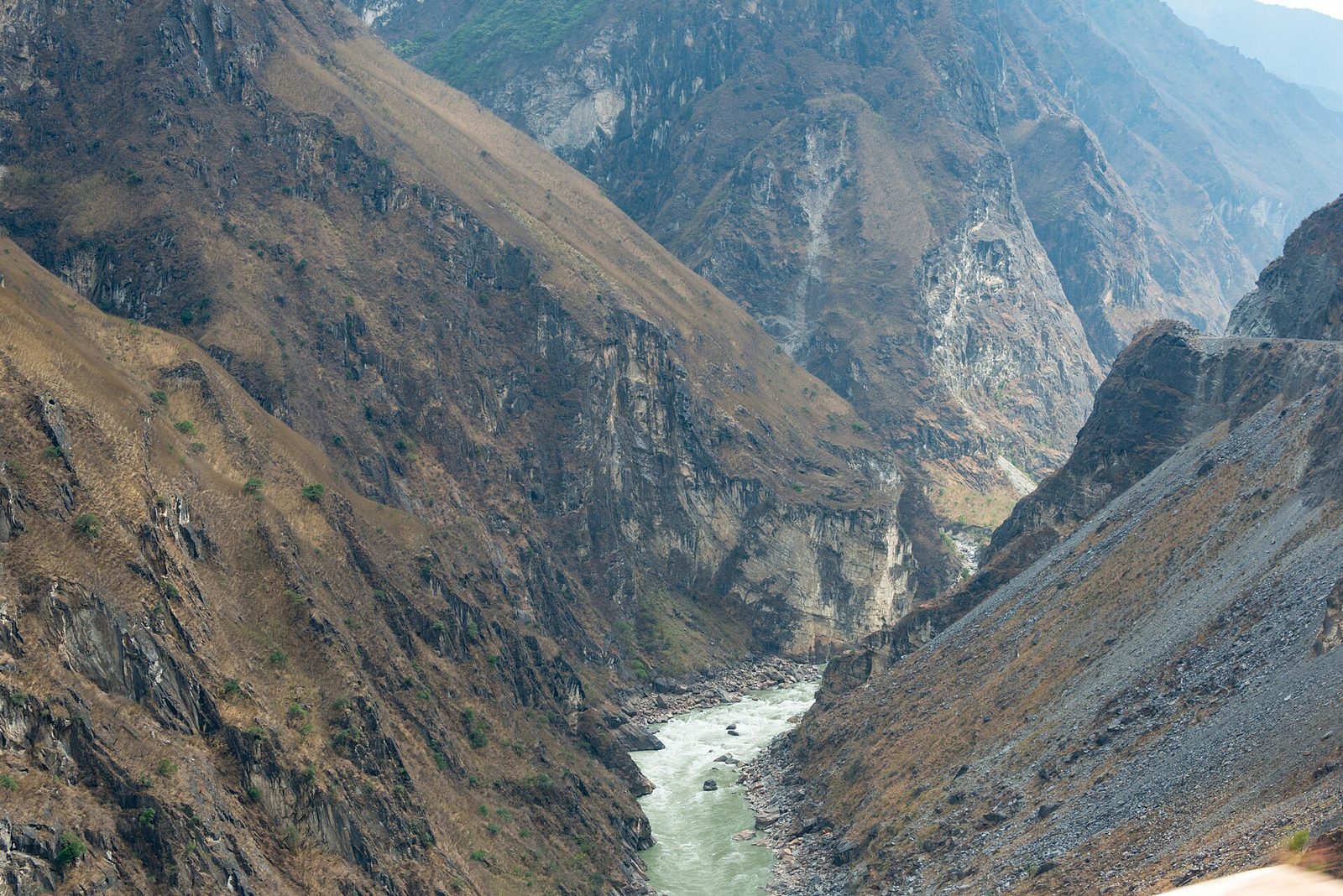
The open boardwalk above the Jinsha River — one of the deepest gorges on earth, 1.5–2 hours return.
Dukezong Old Town and its giant prayer wheel, then the grassland and horses of Napa Hai.
Alpine lakes, conifer forest and wetland boardwalks at over 3,500 metres.
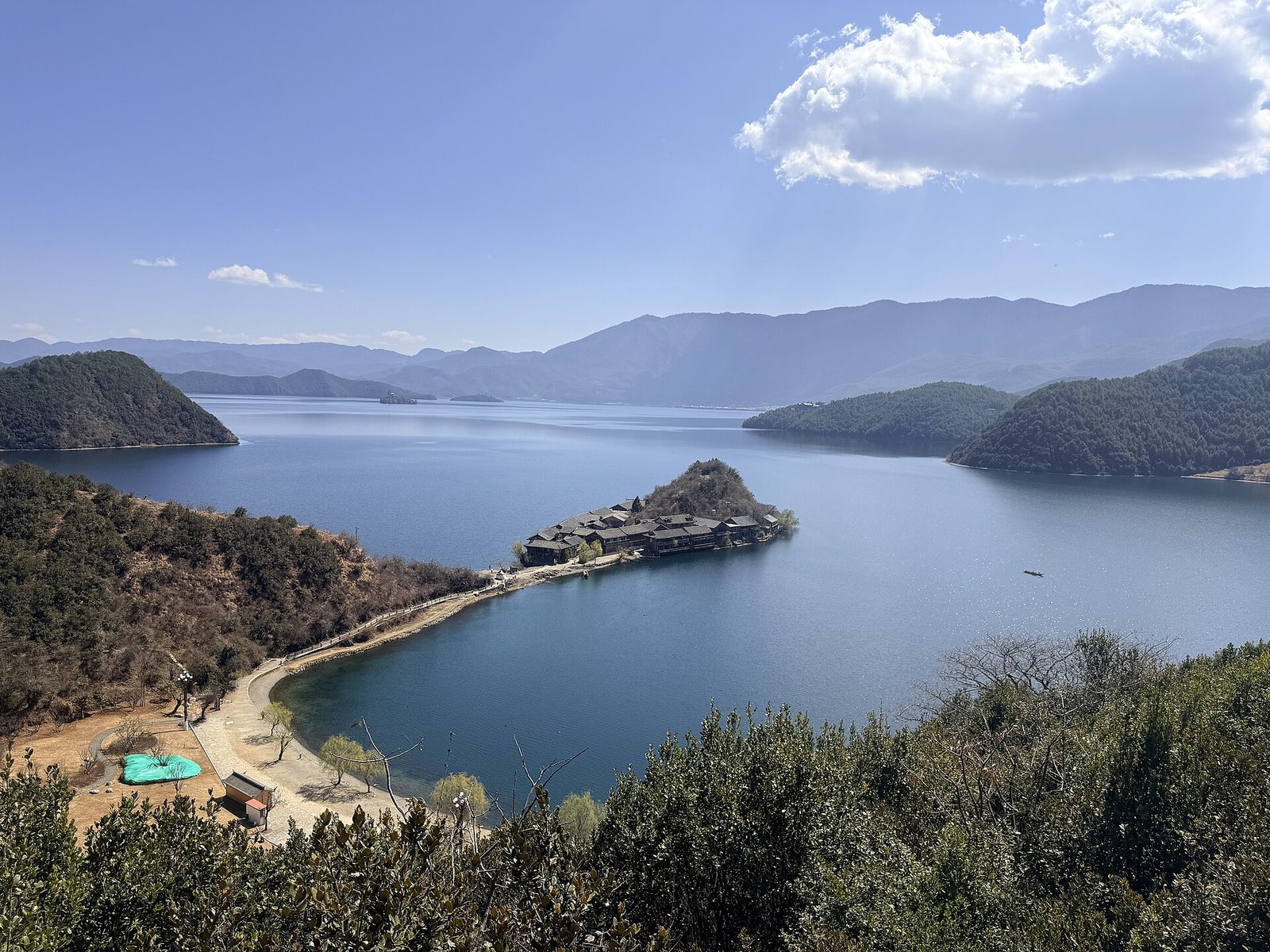
Boat to Liwubi Island, Lige viewpoint, Lover's Beach, a sunrise on the water and a Mosuo bonfire evening.
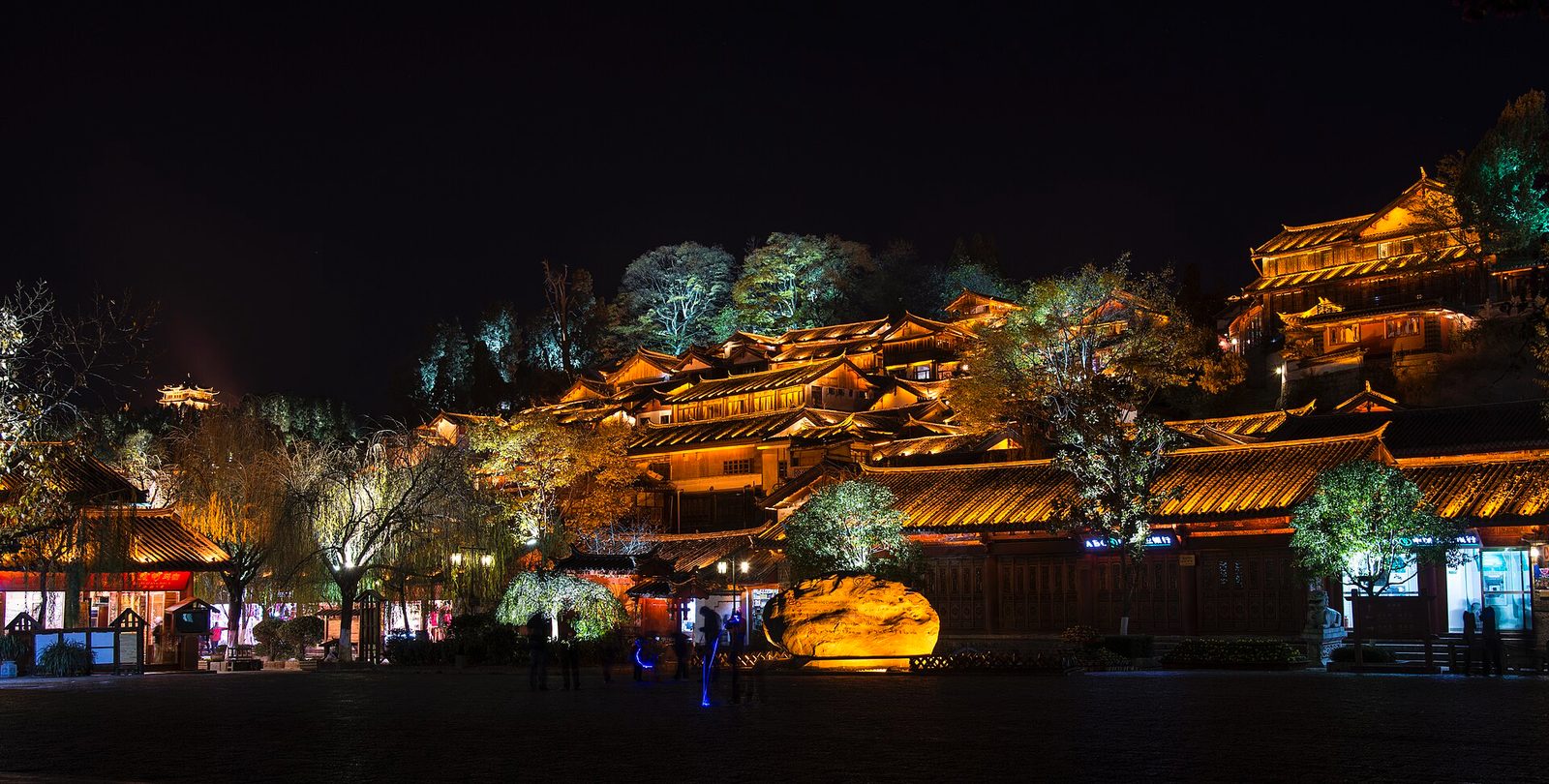
A photographer session in the old town on day one, while the light is soft and you are still fresh.
Full itinerary
Airport pickup, old town & photo shoot
Meet your driver-guide in Lijiang
Fly into Lijiang or arrive by high-speed rail — your driver, who is also your guide for the week, meets you at the airport or railway station with the vehicle.
Transfer to your hotel
About 30 minutes into the old-town area. On a clear day you may already catch your first glimpse of Yulong Snow Mountain on the way.
Check in, then lunch
Drop bags or check in at the hotel in Lijiang. Lunch nearby at your own cost.
Photo shoot in the old town
A photographer session through the stone lanes, wooden eaves and water channels of Lijiang. Outfits and styling are confirmed with the photographer in advance.
Evening free in Lijiang Old Town
Walk from the north gate or the Big Water Wheel down to Sifang Street, then on to Mu Palace, Zhongyi Market or Lion Hill as your legs allow. Dinner on your own — the old town sits at 2,400 m, so take the first evening slowly.
Early night
Tomorrow starts early — aim to be asleep by 22:30.
Jade Dragon Snow Mountain & Shuhe
Drive to the snow mountain
Hotel breakfast depends on service times, so carry water and snacks. About 30–40 km to the scenic area.
Yunshanping meadow by cable car
Scenic shuttle plus the Yunshanping cable car: meadow, spruce forest and the full face of the mountain. Allow 2.5–3 hours including queues.
Blue Moon Valley
Down by the park's eco-shuttle to the white terraces and turquoise pools. 1.5–2 hours by the water; simple lunch in the park.
Drive to Shuhe Old Town
About 30 km back towards Lijiang.
Shuhe Old Town
Sifang Street, Qinglong Bridge and the Jiuding Dragon Pools, walked slowly in the soft late-afternoon light.
Back to Lijiang
Twenty to thirty minutes to the hotel; dinner on your own.
First Bend, Tiger Leaping Gorge & Pudacuo
Early start
The fullest day of the week — leave Lijiang on time after breakfast.
First Bend of the Yangtze
About 55 km out, a short stop at the viewpoint where the Jinsha River turns north.
Tiger Leaping Gorge
The officially open boardwalk above the Jinsha River. Lots of steps — allow 1.5–2 hours return, stay behind the railings and mind wet rock after rain.
Road lunch on the G214
A simple stop along the national road towards Shangri-La, with a Yi village stopping point as conditions allow.
Pudacuo National Park
Shuttle bus plus boardwalks through alpine lakes, conifer forest and meadow. The park opens whichever circuit is running that day — aim to see one stretch of shoreline well rather than rush every viewpoint. Allow about 3 hours.
Into Shangri-La
Twenty-five kilometres and 40 minutes into town. Check in, dinner on your own, and an early night at altitude.
Dukezong, Napa Hai & the road back
Kalachakra Centre
Tibetan Buddhist art and the mandala tradition. Dress modestly and follow the indoor photography rules.
Dukezong Old Town
Moonlight Square, Guishan Park and the old lanes. Climb to the giant prayer wheel if you feel well — it takes several people pushing together, so join in the same direction as everyone else.
Lunch in Shangri-La
Yak hotpot, Tibetan pastries, highland barley bread and butter tea are the local standards — go easy on rich food on your first full plateau day.
Napa Hai grassland
Ten to fifteen kilometres from town; one to one and a half hours at the open viewpoints. October is the wide golden-autumn window. It is windy and the UV is strong, and the water level changes with the season.
Drive back to Lijiang
About 180 km and 3.5–4 hours with a break on the way. Check in, then the evening is yours.
Around the lake & a Mosuo bonfire
Drive to Lugu Lake
About 205 km and 4–4.5 hours on a winding mountain road — keep breakfast light and bring motion-sickness tablets if you need them. One stop at a service area or viewpoint.
Lunch by the lake
At your own cost near the scenic area.
Boat to Liwubi Island
Weather and dock operations permitting, about 1–1.5 hours including waiting. Lifejackets on, and no standing up or leaning out of the boat.
Lover's Beach
Half an hour of shoreline walking and photos, using the trees and stones as foreground.
Lige viewpoint
The classic panorama over Lige Peninsula — the shot most people come for. Mind the roadside parking and the steps.
Xiaoluoshui village
A quiet lakeside village in the last of the light. Respect residents' homes and do not walk into courtyards.
Check in to the lake-view hotel
Lake-view room at Lugu Lake; dinner on your own.
Mosuo bonfire evening
Join the circle dance around the fire. Times follow the local schedule on the night.
Sunrise, a Mosuo village & the road back
Sunrise over the lake
Confirm the exact time and walking distance with the hotel the night before, and be at the shore 30 minutes early. The morning is cold; skip it entirely if it is overcast.
A Mosuo village with a licensed host
At an authorised reception point, a look at the houses, family structure and everyday culture of the Mosuo. Listen first, ask normally, and photograph people only with permission.
Drive back to Lijiang
About 205 km and 4–5 hours with breaks. Keep lunch light before the mountain road.
Check in, evening free
Back at the Lijiang hotel. Dinner on your own and a free evening.
Free morning & airport drop-off
Slow morning
Sleep in, then choose: old-town breakfast and Zhongyi Market, a quiet walk around Shuhe, or an indoor culture courtyard if the weather turns.
Check out
Luggage can be stored at the hotel for the afternoon.
Airport transfer
Dinner somewhere quick and light, then collect bags and confirm the terminal and meeting point with your driver. About 30 km to Lijiang airport — leave extra time during Chinese public holidays.
Fly home
Evening departure out of Lijiang. If you prefer a daytime flight, tell us when you enquire and we will adjust the last day.
Times are indicative and given in local time, assuming normal traffic. During Chinese public holidays, scenic-area entrances, car parks and mountain roads can be busy — your driver-guide will re-order the day around official reservation slots and conditions on the ground.
Six nights, four-diamond throughout
Berna Hotel Yulong (Lijiang) · Horizon Windham (Shangri-La) · Tao Zhi Yao Yao Lake View Hotel (Lugu Lake)
Four-diamond standard hotels in the three bases of the loop, with a lake-view room for the night at Lugu Lake so you can walk to the sunrise.
- One king room per two travellers as standard; twin rooms on request
- Lugu Lake night is a lake-view room
- If a hotel is unavailable on your dates we substitute one of equal standard and tell you before you pay
- Single-room supplement available — ask with your quotation
What's included, and what isn't
✓ What's Included
- Private vehicle with driver-guide for all 7 days, sized to your group
- 6 nights in four-diamond hotels as listed
- Pickup and drop-off in Lijiang — airport or railway station (day 1 and day 7)
- Yunshanping cable car and park shuttle at Jade Dragon Snow Mountain
- Shuttle bus inside Pudacuo National Park
- Boat trip to Liwubi Island at Lugu Lake
- Mosuo bonfire evening at Lugu Lake
- One photo shoot session in Lijiang Old Town (day 1)
- Bottled water in the vehicle, all taxes and service fees
— Not Included
- Flights or high-speed rail to and from Lijiang
- All meals — left open by design so you eat what you like
- Admissions not listed above and optional shows or activities
- Personal expenses, tips and travel insurance
- Single-room supplement
- Anything not specifically listed as included
Good to know
Altitude, driving & what to pack
- Lijiang sits at about 2,400 m, Lugu Lake at 2,685 m, and Shangri-La and Pudacuo are higher. Go slowly on arrival, skip alcohol and hard exercise on day one, and tell your driver at once about any persistent headache or nausea
- The week covers roughly 1,050–1,150 km. Days 3, 5 and 6 are the long ones — bring motion-sickness tablets if mountain roads affect you, and keep breakfast light before them
- Layer up: quick-dry base, fleece or light down, windproof jacket, plus sunscreen, lip balm and grippy shoes
- Jade Dragon Snow Mountain tickets and the Yunshanping cable car are real-name booked — we handle the reservation up to 7 days ahead with your passport details
- Not suitable for travellers with serious heart or lung conditions — please check with your doctor before booking
- At monasteries and in Mosuo villages, follow local rules on photography, dress and the direction of the prayer wheel
Departure & Pickup
- Start: Lijiang airport or railway station, day 1 — your driver-guide meets you on arrival
- End: Lijiang airport, day 7 evening
- Prefer to start and finish in Lijiang? We can flip day 1 and day 7 — tell us when you enquire
- Live guide in English or Chinese, travelling with you the whole week
Frequently asked
How big is the group, really?
Two to six travellers, and we never mix parties — the vehicle, driver and itinerary are yours. A departure is confirmed from two people upwards.
Why are meals not included?
Deliberately. On a route this varied, a fixed group menu means eating the same mediocre food every night. Instead your driver-guide recommends and books tables — Naxi, Tibetan and Mosuo cooking in the places locals actually go. Budget for meals separately.
Will altitude sickness be a problem?
Lijiang is 2,400 m and Shangri-La is higher, so a little shortness of breath on day one is normal. The itinerary keeps day one light and puts the highest points later in the week. Persistent headache, chest tightness or vomiting means stopping and getting help — tell your driver immediately. If you have a heart or lung condition, speak to your doctor first.
Do I book the snow mountain cable car myself?
No. Tickets and the Yunshanping cable car are real-name reservations released up to 7 days ahead; we make the booking with your passport details and fit the rest of the day around the confirmed slot.
Can the itinerary be changed?
Yes — it is your vehicle and your driver for the week. Common adjustments: start and finish in Lijiang, add a night at Lugu Lake, drop Pudacuo for a slower pace, or swap the last morning for a market visit. Tell us when you enquire.
Is it suitable for children?
Families do it, but be honest about the long drives and the altitude. Tell us the children's ages when you enquire and we will pace days 3, 5 and 6 accordingly.